Rojhalip: A Modern Display Font for Small Business Branding
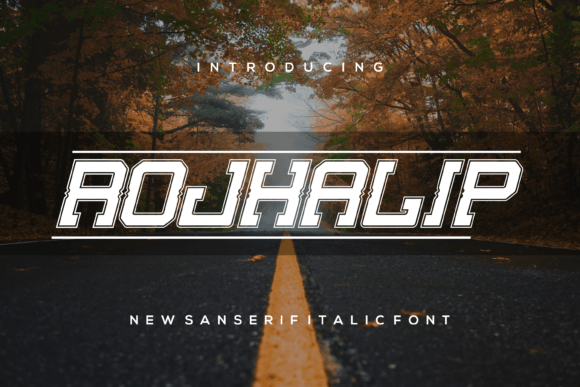
As a small business owner who designs my own labels, social posts, and packaging, I’ve learned that typography isn’t just about “looking nice”—it’s one of the fastest ways to signal professionalism, clarity, and care. That’s why I started using Rojhalip: a cool, contemporary display font that adds personality without sacrificing polish. It’s not a script or handwritten typeface—it’s clean, confident, and built for visibility.
Rojhalip has a modern, slightly geometric feel with subtle curves and balanced spacing. It’s bold enough to command attention but never overwhelming. Think of it as the kind of font you’d choose for a boutique skincare line launching its first product line—or a neighborhood café updating its chalkboard menu and Instagram highlights. It carries warmth and energy, but stays grounded in readability—especially at larger sizes where display fonts live their best life.
Where Rojhalip Fits Across Your Customer Touchpoints
You don’t need a designer on retainer to use Rojhalip effectively. Here’s how it works across real-world materials:
- Logos & brand marks: Rojhalip shines as a primary logo font—especially for businesses with short names (e.g., “Lume,” “Nara,” “Trove”). Its distinct letterforms help your name stand out on storefronts, tote bags, and website headers.
- Packaging & product labels: Whether it’s a handmade candle jar, organic tea tin, or ceramic studio stamp, Rojhalip adds craft-forward appeal while remaining legible at 14–16pt on printed labels.
- Social media visuals: On Instagram carousels, Pinterest pins, or Facebook cover images, Rojhalip grabs attention in thumbnails—even when scaled down. Use it for headlines, limited text overlays, or quote graphics.
- Menus, flyers & in-store signage: A local café owner friend replaced her generic sans serif header font with Rojhalip on laminated menu boards—and immediately noticed customers pausing longer to read specials. The contrast between playful energy and visual clarity made a difference.
- Website banners & email headers: As a display font, Rojhalip works best above the fold—not for body copy. Pair it with a simple sans serif (like Inter or Open Sans) for paragraphs, and you’ll get both impact and ease of reading.
Why Consistency Starts With One Strong Display Font
When every piece of your brand—from the sticker on your shipping box to your Instagram bio link—uses the same thoughtful, intentional typeface, customers begin to recognize you faster. Rojhalip supports this consistency because it’s versatile *and* distinctive. It doesn’t try to be everything; it excels where display fonts should: in moments that need emphasis, emotion, or identity.
A handmade soap brand used Rojhalip for their product name (“Soleil”) on each bar’s label, then echoed it subtly in their thank-you card footer and website hero banner. No other font competed for attention—just one clear voice, repeated with purpose. That repetition builds familiarity. And familiarity builds trust.
Smart Pairing & Practical Usage Tips
Rojhalip is a display font—not a workhorse. That means it’s not ideal for long paragraphs, legal disclaimers, or tiny ingredient lists. But paired intentionally, it elevates everything around it.
Try these pairings:
- Rojhalip + a neutral sans serif (e.g., Montserrat, Lato, or even system fonts like Helvetica Neue): Best for websites, digital ads, and clean packaging. Lets Rojhalip lead while keeping supporting text highly legible.
- Rojhalip + a warm serif (e.g., Merriweather or Playfair Display): Works beautifully for artisanal brands—think apothecaries, bookshops, or wedding stationery—where tradition meets modern confidence.
Before committing, test Rojhalip in context: paste it into your Canva template, mock it up on a product label PDF, or print a 3x5” version of your most-used phrase. Does it hold up on matte paper? Is it still readable on a phone screen at 80% zoom? If yes—you’ve got a keeper.
Licensing Matters—Especially for Product-Based Businesses
If you’re selling physical goods—candles, apparel, mugs, or digital templates—you’ll need a commercial license for Rojhalip. Many free fonts restrict use on merchandise or resale items. Always check the license before adding Rojhalip to product packaging, Shopify banners, or downloadable brand kits. Reputable font sellers clearly outline usage rights, including web embedding, app integration, and unlimited impressions. When in doubt, go with the extended license—it’s a small investment that protects your brand and avoids future headaches.
Realistic Expectations, Real Results
Rojhalip won’t fix blurry photos or inconsistent color choices—but it will make your existing assets look more intentional. It won’t magically grow your email list, but it can make your signup CTA banner feel more inviting and aligned with your values. It’s a tool, not a miracle worker. But used thoughtfully, it helps your small business communicate with more clarity, cohesion, and quiet confidence.
I’ve seen it work for a yoga instructor redesigning her workshop posters, a pottery studio refreshing its online shop, and a freelance writer rebranding her newsletter headers. In each case, Rojhalip didn’t change what they offered—it helped people understand *who* they were, faster.
If your current branding feels generic, scattered, or hard to scale across formats, consider whether your display font is doing its job. Rojhalip might be the missing piece—not flashy, not fussy, just right for the moment your customer decides to pause, notice, and remember you.